McDonald’s Malaysia launched Ayam Tenders McD™, a new menu item featuring a crispy outer coating with tender, juicy chicken inside. To introduce the product beyond a standard digital or social media campaign, the brand wanted a launch experience that could capture attention in real-world retail environments and encourage customers to try the product in-store.
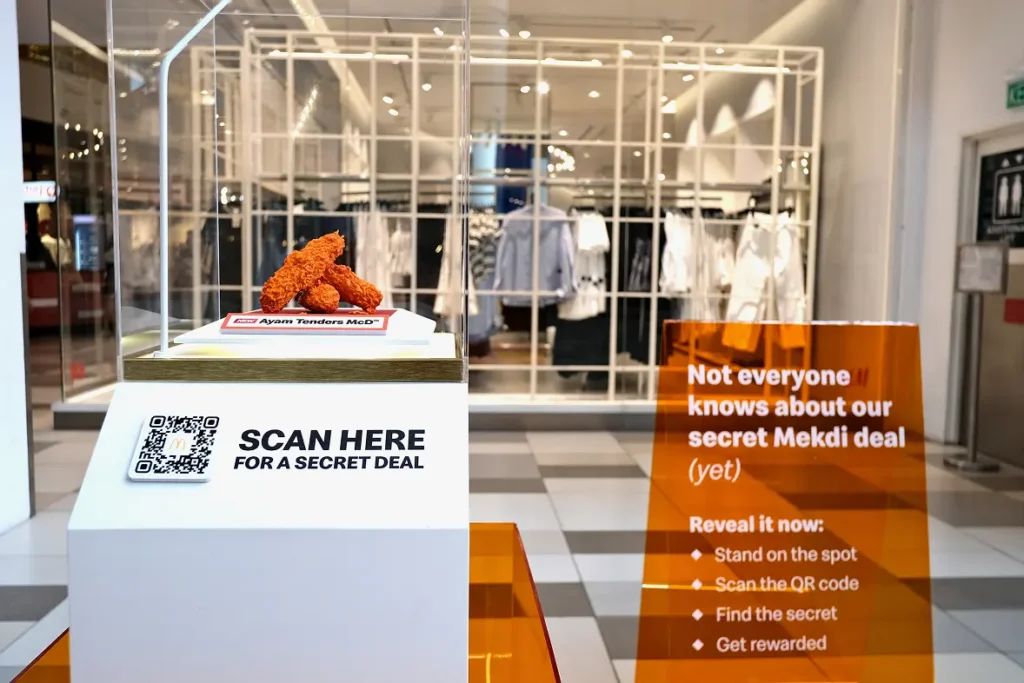
C27 partnered with McDonald’s Malaysia to create a physical-to-digital AR activation that combined an eye-catching mall installation with an interactive mobile AR journey. Designed for high-footfall shopping malls, the experience sparked curiosity, guided users through the story behind Ayam Tenders McD™, and rewarded them with a reason to continue the journey at McDonald’s restaurants.
McDonald’s Malaysia
2025
Experience & Interaction Design
AR Design & Animation
AR Development
Physical Display Concept & Design
Fabrication & On-Ground Installation
McDonald's Malaysia
2025
Experience & Interaction Design
AR Design & Animation
AR Development
Physical Display Concept & Design
Fabrication & On-Ground Installation
McDonald’s Malaysia launched Ayam Tenders McD™, a new menu item featuring a crispy outer coating with tender, juicy chicken inside. To introduce the product beyond a standard digital or social media campaign, the brand wanted a launch experience that could capture attention in real-world retail environments and encourage customers to try the product in-store.
C27 partnered with McDonald’s Malaysia to create a physical-to-digital AR activation that combined an eye-catching mall installation with an interactive mobile AR journey. Designed for high-footfall shopping malls, the experience sparked curiosity, guided users through the story behind Ayam Tenders McD™, and rewarded them with a reason to continue the journey at McDonald’s restaurants.
01
Introduce Ayam Tenders McD™ through an immersive physical-to-digital activation that could stand out in busy mall environments, spark real-world curiosity, and elevate product perception beyond a typical social media launch.
02
Encourage users to visit McDonald’s restaurants by rewarding them at the end of the AR journey, turning shopper attention into product sampling, purchase consideration, and in-store traffic.
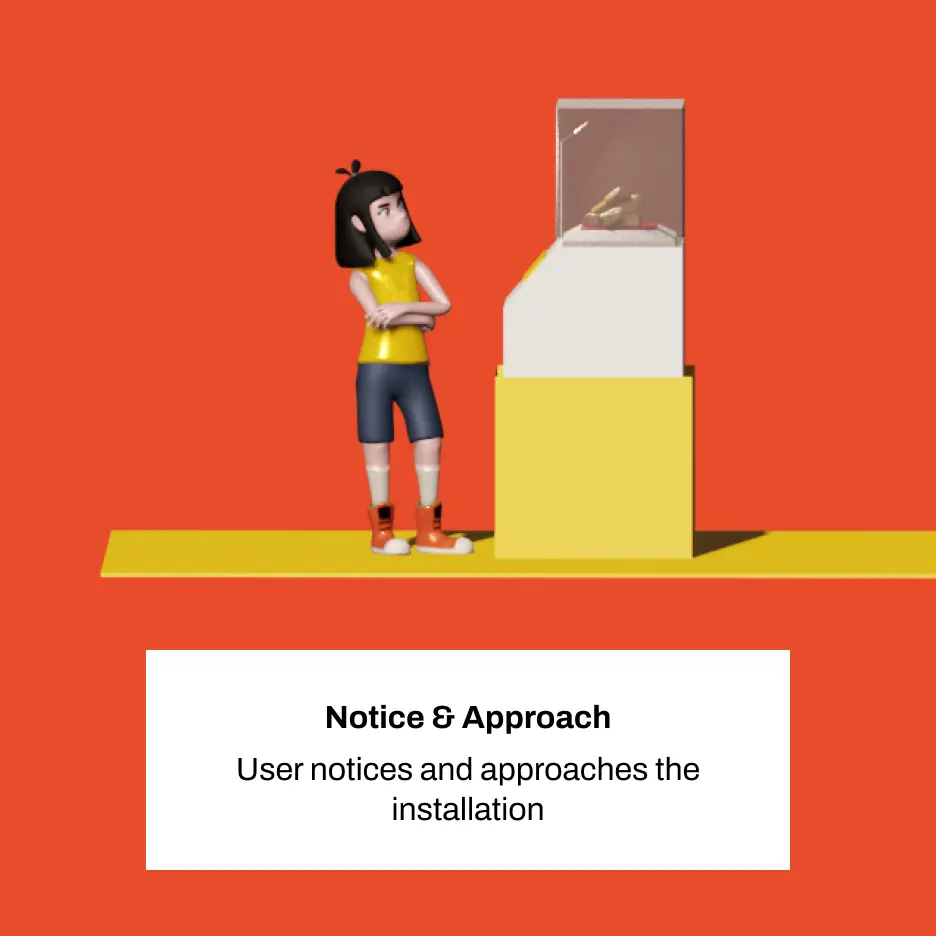
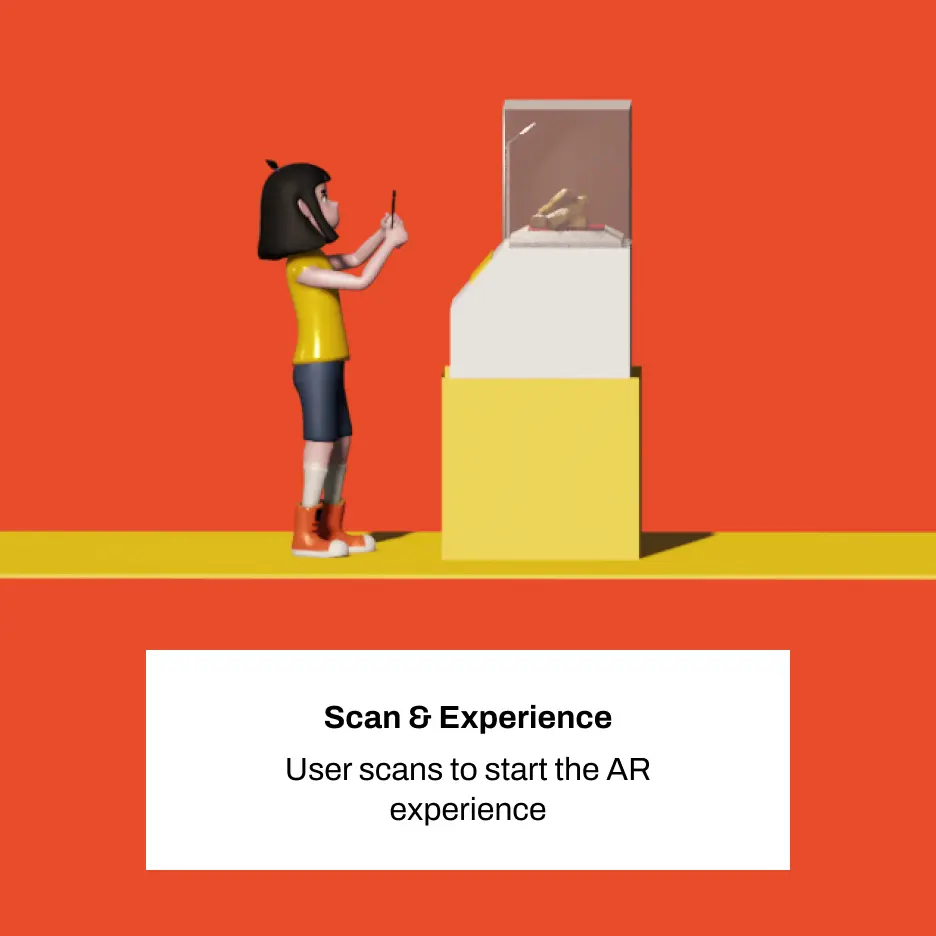
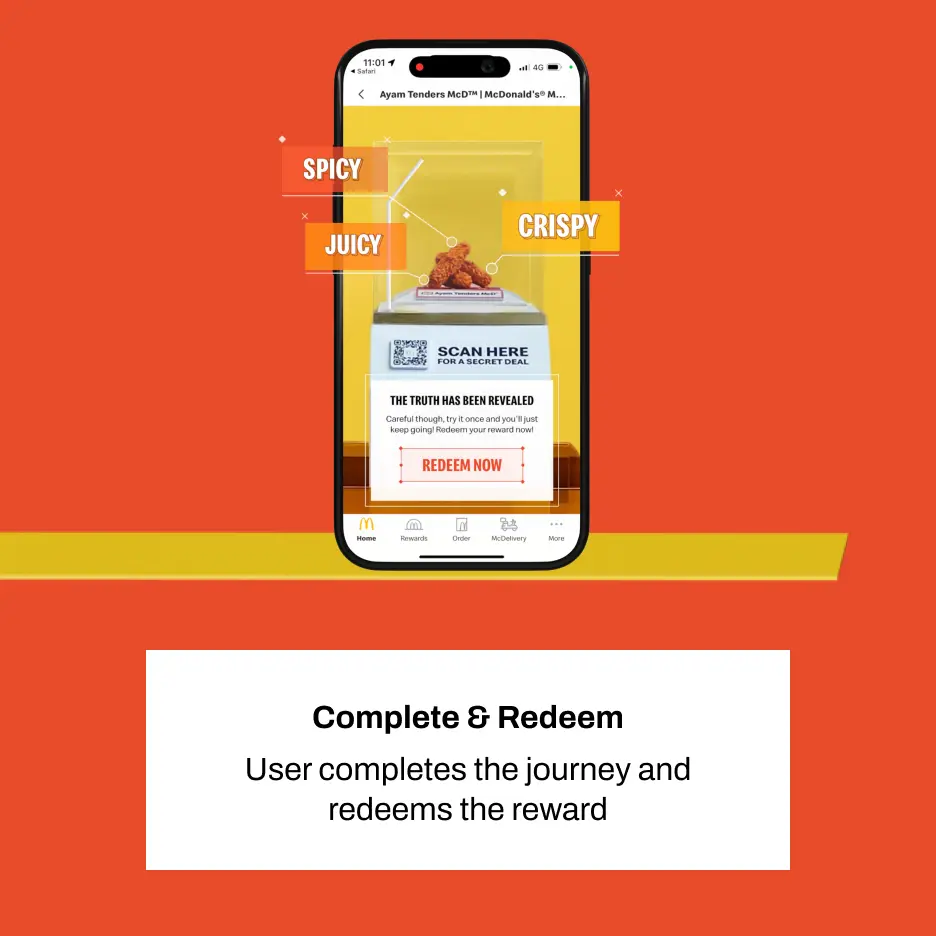
01
The physical display needed to capture attention in busy mall environments while maintaining a premium and contemporary look that encouraged shoppers to approach.
02
The AR flow had to feel intuitive from the first scan to the final reward, with clear cues, readable UI, and engaging animation pacing to keep users involved.
03
The experience had to perform across different lighting, viewing distances, user heights, and mobile devices, making marker visibility and scan reliability critical.
04
The activation needed to be scalable across multiple malls, each with different spatial and environmental conditions, while still delivering a consistent brand experience.
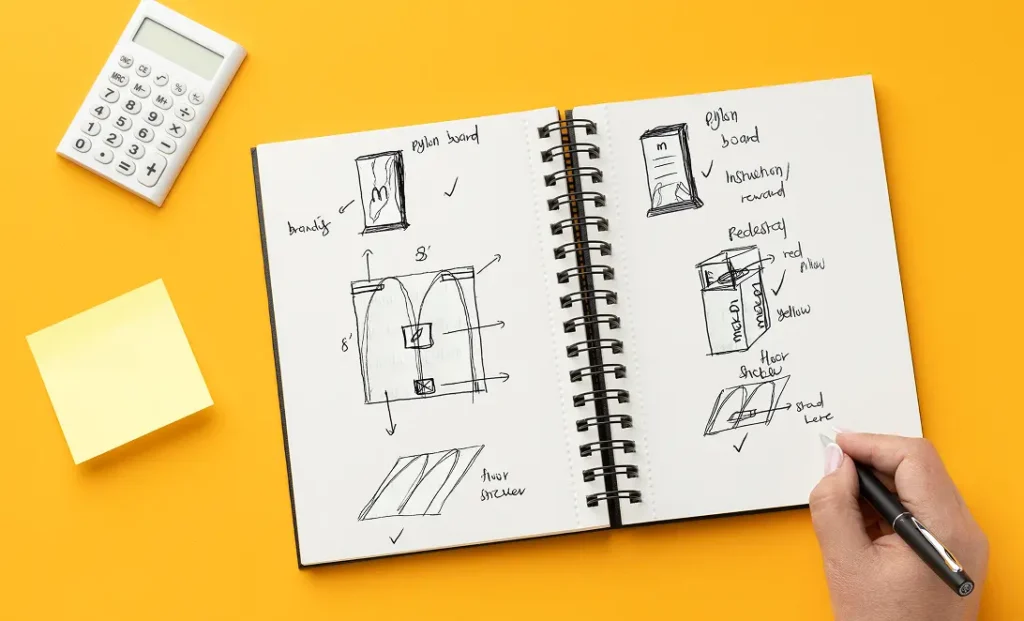
01
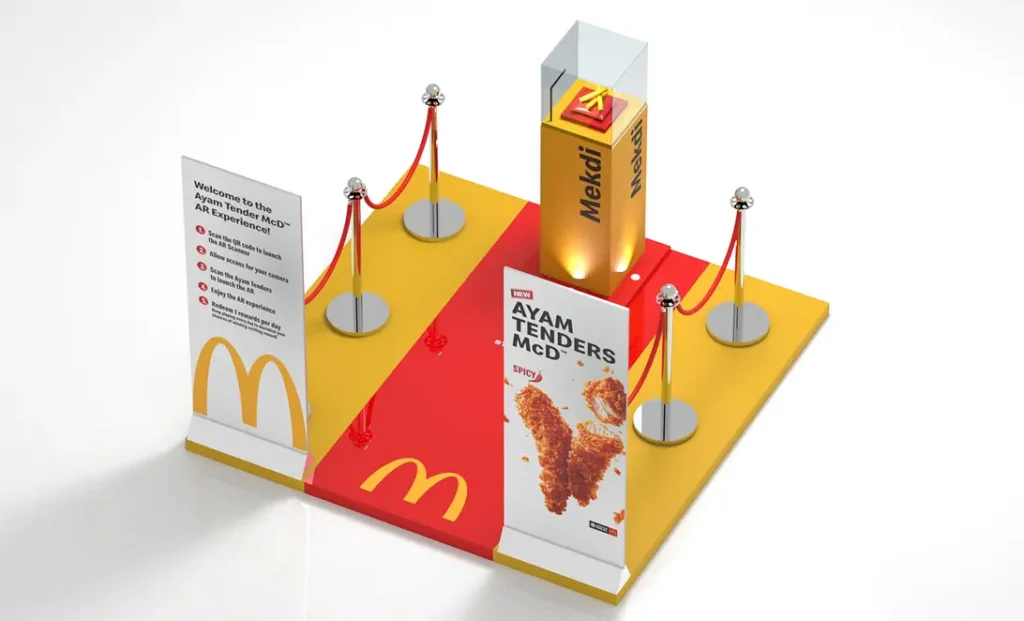
The process began with early concept sketches exploring different ways the structure could create curiosity and guide users toward the AR interaction.
02
An initial direction took inspiration from a luxury art-museum runway, using a red-carpet visual language to elevate the product experience. This was later refined into a cleaner, more contemporary direction based on client feedback.
03
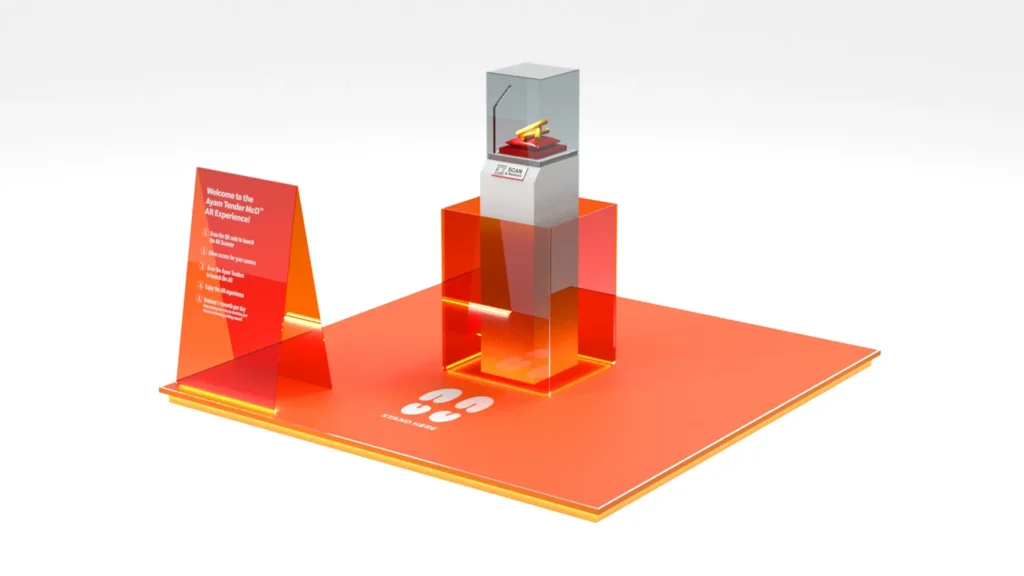
To create a distinctive presence, we moved away from the usual McDonald’s red-and-yellow palette and introduced a sleek orange-and-white colour combination. Paired with acrylic materials and a minimal display form, the final installation created a fresh visual identity for the campaign while maintaining a premium and approachable look.
Several physical design details were also carefully considered to support the overall interaction:
The structure was designed around the average Malaysian eye level to create a comfortable viewing and scanning experience. The standing distance was also considered to define an ideal engagement zone for users approaching the display.
The front panel was strategically slanted to support a better scanning angle, helping users activate the AR experience more smoothly in a real-world mall setting.
As the acrylic instruction panel was fragile, its height and bending angle were carefully adjusted to reduce the risk of damage. The layout, font size, and copy hierarchy were also refined to ensure users could quickly understand how to start the AR experience.
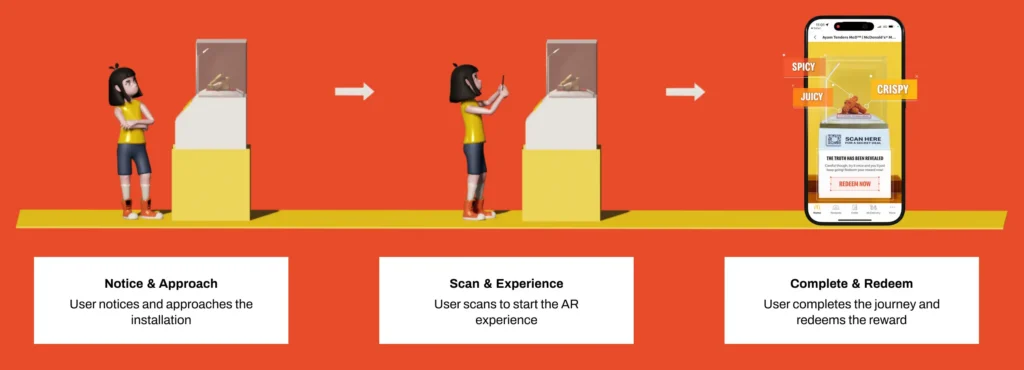
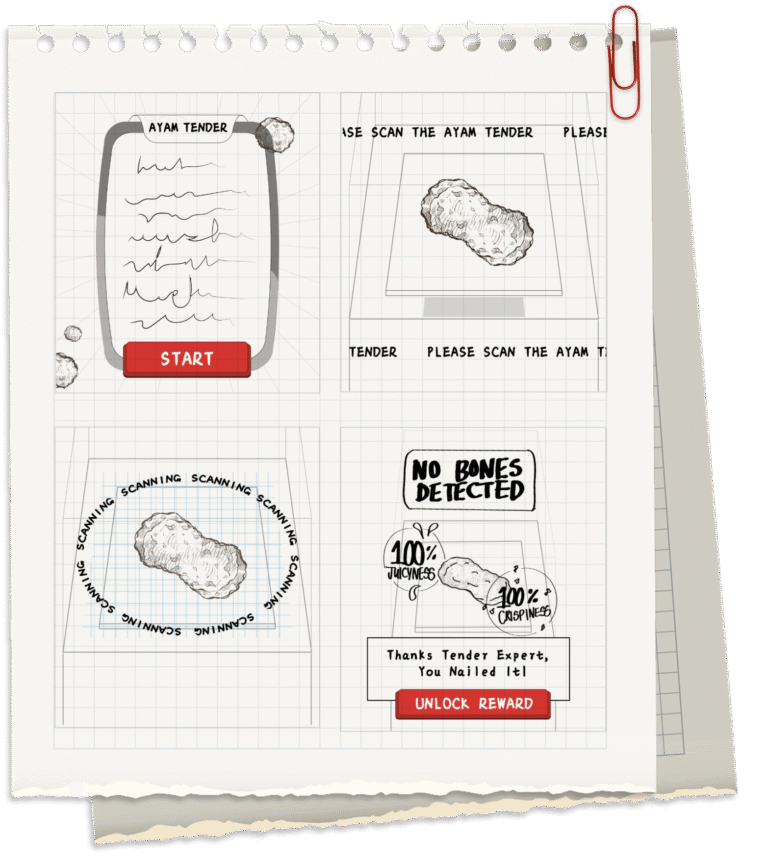
The AR experience was mapped through wireframes to create a clear scan-to-reward journey. Each step, from the introduction and marker scan to the animated product story and reward reveal, was designed to feel simple, guided, and engaging.
UI elements were optimised for legibility across real-world backgrounds, while animation pacing helped sustain curiosity without making the journey feel too long. This turned the physical display into an interactive brand experience that encouraged users to continue the journey at McDonald’s restaurants.
The original AR marker was designed as a small product name label to maintain the installation’s minimal aesthetic. However, real-world testing showed that its size affected scan reliability across different distances and angles.
To improve stability, marker detection was shifted to the larger front panel. This created a more reliable scanning experience while preserving the clean visual direction of the display.
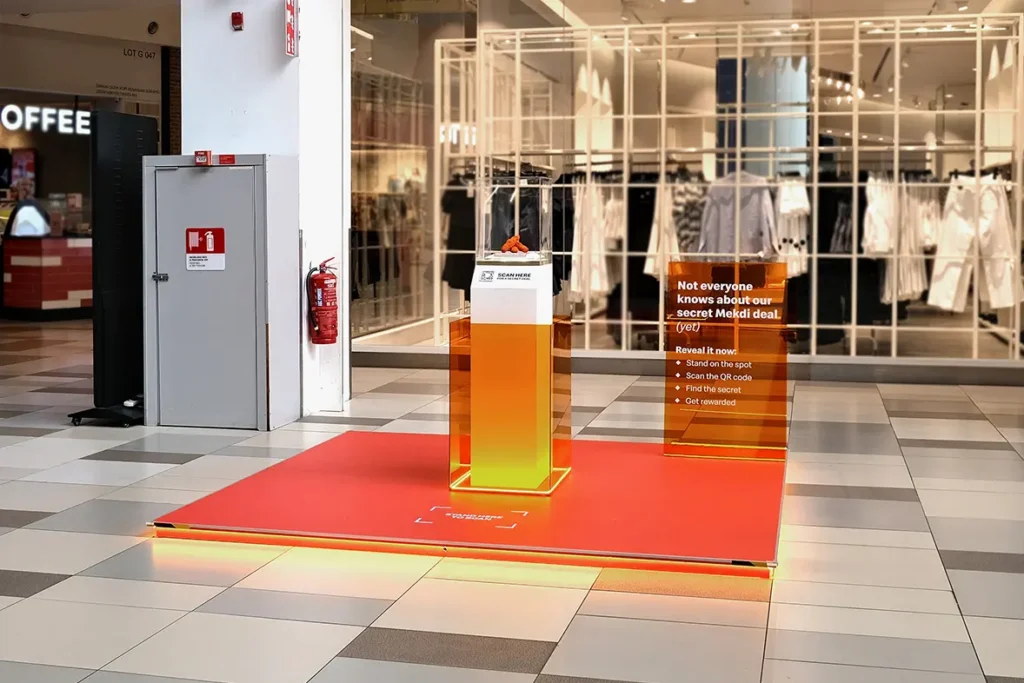
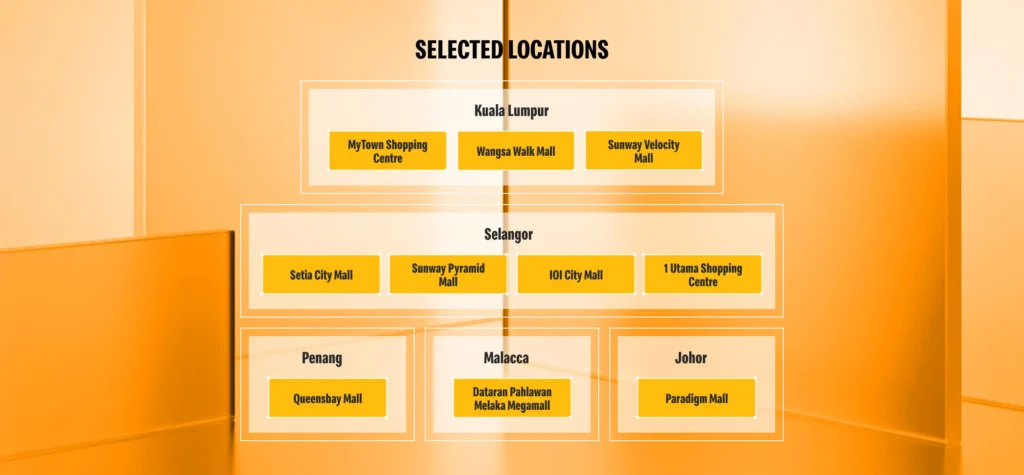
The Ayam Tenders McD™ AR activation was launched across 10 shopping malls in Malaysia, turning the product launch into a scalable retail activation. Through a combination of physical display design, AR experience design, animation, and on-ground installation, C27 helped McDonald’s Malaysia create an interactive brand experience that captured shopper attention and encouraged product trial.
01
Shorter, more purposeful AR journeys help maintain user attention and guide users more effectively from scan to reward.
02
In busy mall settings, curiosity alone may not be enough. Clear prompts, simple instructions, and visible scan cues help users feel more confident to start the experience.
03
AR performance can vary across phone models, lighting conditions, and mall layouts. Designing with these real-world conditions in mind helps create a more consistent activation experience.